
10 Reasons Baseball Parents Are Adding This New After-Throwing Cream Step Before Spending More On Lessons, J-Bands, Or Recovery Tools

I have worked with hundreds of youth pitchers, shortstops, catchers, third basemen, and travel ball kids whose parents were already trying to do the right thing. They had pitch counts, J-Bands, warmups, ice wraps, Biofreeze, mechanics videos, and rest days. But the same pattern kept showing up after throwing: the kid grabbed his bag, rubbed the same shoulder, and said “I’m fine.” This is what I wish more baseball parents understood before that shoulder rub became normal.
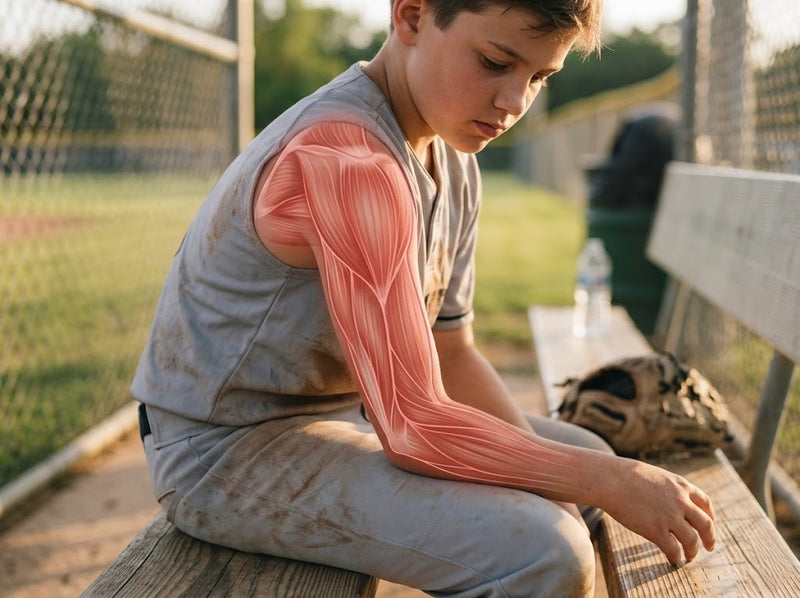
1. The Pitch Count Is Only One Number
Pitch counts matter, but they are not the whole throwing day. A kid might stay under the official limit and still throw warmups, long toss, bullpen tosses, shortstop throws, catcher throws, practice reps, lesson throws, and backyard throws after dinner. That is why “he barely pitched” can be true and still miss the real workload. The scorebook counts pitches. His shoulder counts every throw.
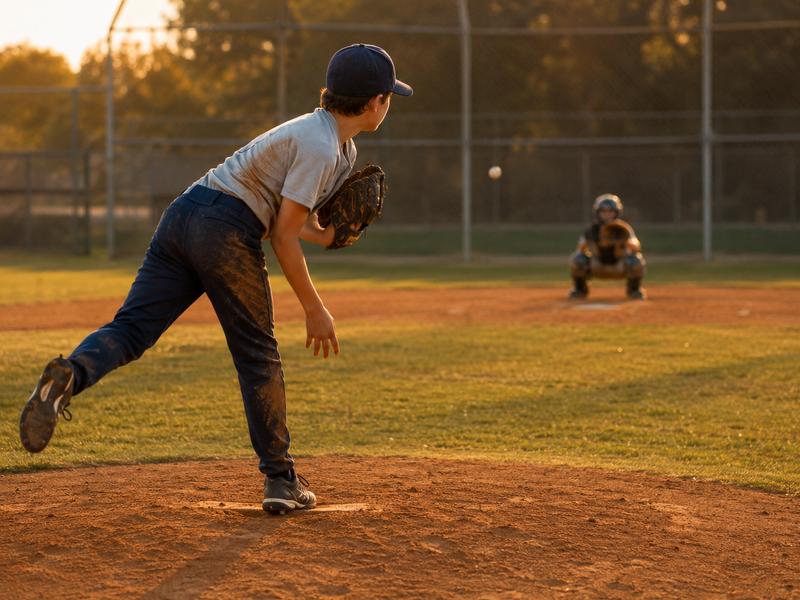
2. The Kid Who Throws The Most May Not Be The Pitcher
Parents usually worry most when their kid is on the mound, but some of the heaviest throwing days happen at shortstop, catcher, third base, or during practice. A shortstop may throw across the diamond all afternoon. A catcher may toss constantly between innings. A utility kid may move around all weekend and never have one clean number that explains the work. Not pitching does not mean not throwing.

3. The Warmup Throws Still Count
A lot of parents treat warmup throws like they are not real throws because they happen before the game starts. But the shoulder does not separate warmups from game reps the way the scorebook does. Long toss, catch play, bullpen warmups, and “get loose” throws still require the shoulder and upper arm to fire, stop, brake, and repeat. The count may start later. The shoulder starts counting earlier.
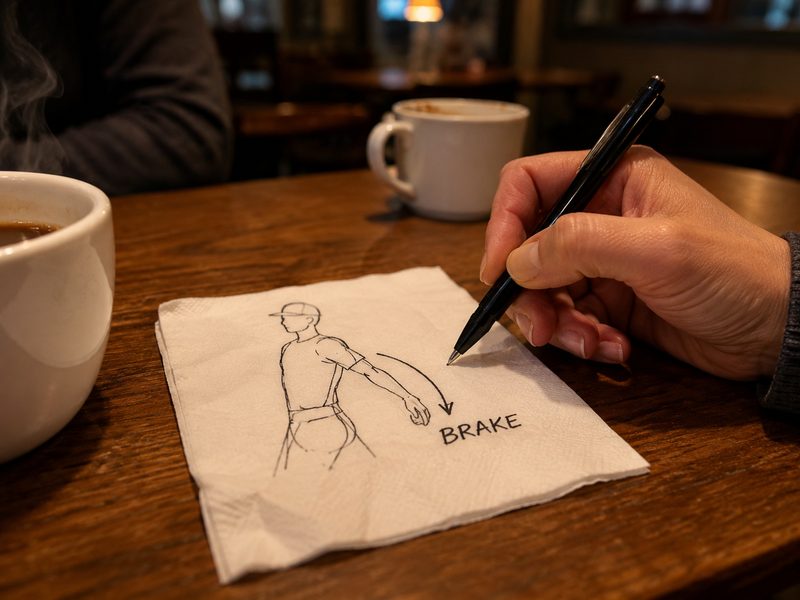
4. The Ball Leaves, But The Arm Still Has To Stop
Most parents think the throw ends when the ball leaves the hand. It does not. After release, the shoulder and upper arm still have to slow the arm down. That is the brake phase, and it happens on every throw. Pitching has it. Long toss has it. Shortstop throws have it. Catcher throws have it. Warmups have it. If the routine only gets the arm ready before throwing, but never helps it wind down after throwing, the routine is not finished.
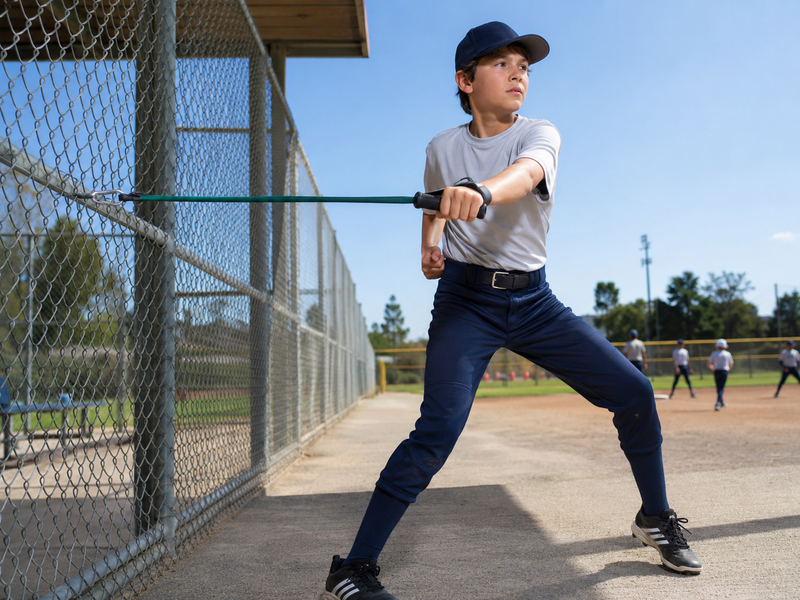
5. J-Bands Are Not The Whole Routine
I like J-Bands. I would rather see a player warm up with bands than walk straight from the car and start throwing hard. But J-Bands are a before-throwing tool. They prepare the arm. They do not become the after-step just because the player did them earlier. That is where parents get fooled. They say, “We did arm care,” when what they really mean is, “We warmed him up.”
6. Ice Can Turn Recovery Into Punishment
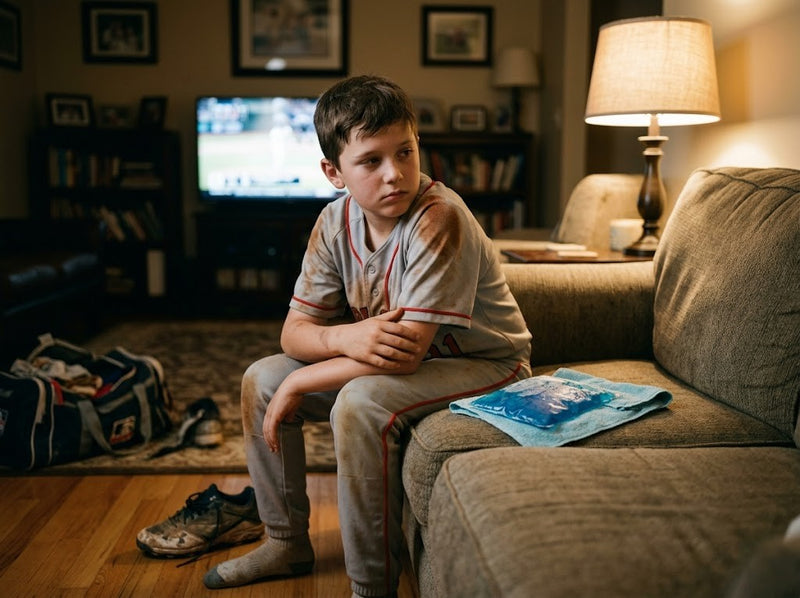
Ice can have a place when a doctor, PT, or athletic trainer recommends it. But for normal baseball nights, ice often becomes a fight. The kid is tired, sweaty, hungry, dirty, and already done listening. A freezing shoulder wrap feels like punishment, so the parent has to negotiate, remind, and lecture. That is not a routine. A real after-step has to be something the kid will actually do.
7. Sports Rubs Can Feel Strong Without Solving The Gap
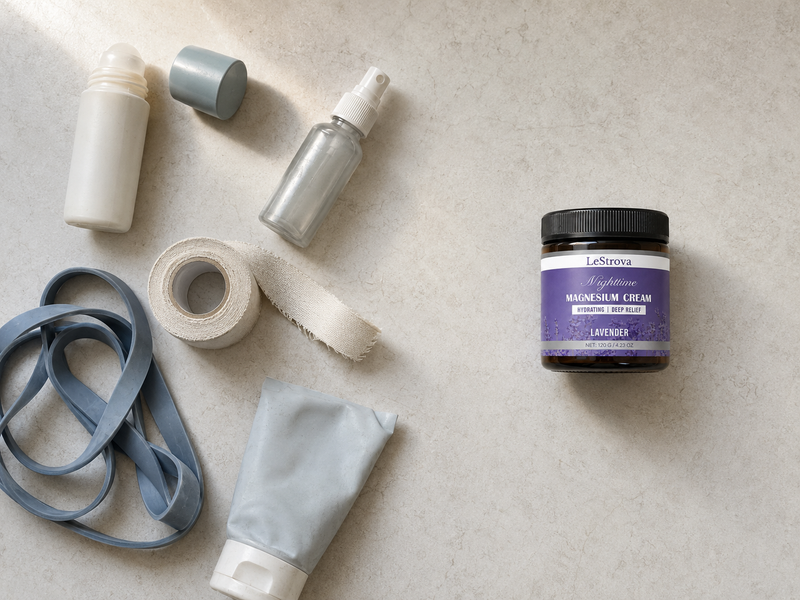
Biofreeze, Icy Hot, Tiger Balm, Deep Blue, and other sports rubs can feel powerful because they create a cold, warm, tingling, or burning sensation on the skin. That sensation can be convincing, but it does not mean the routine has an after-throwing category. Most of those rubs are counter-irritants, which means they create a surface feeling that can temporarily distract from soreness underneath. Strong feeling is not the same as a complete routine.
8. Sprays Usually Lose The Routine Test
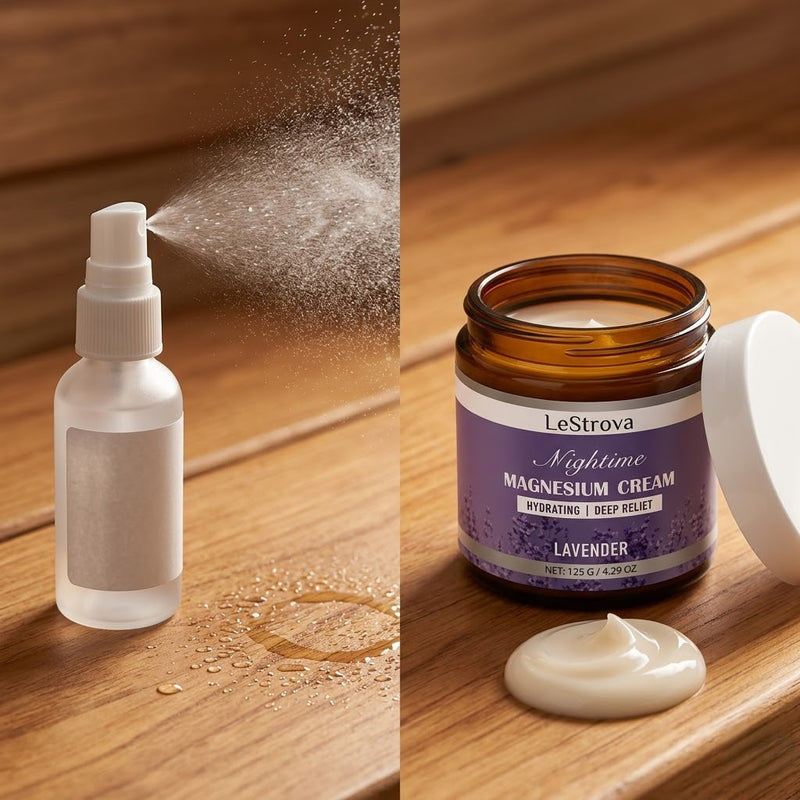
A lot of parents have tried magnesium sprays because they sound closer to what the shoulder needs after throwing. The problem is that many sprays dry too quickly. If something disappears before the parent or player can rub it into the shoulder and upper arm, it usually does not become a repeatable step. Baseball families do not need another product that sits in the drawer. They need contact time and a step that survives practice nights.
9. The Missing Step Had To Be Simple
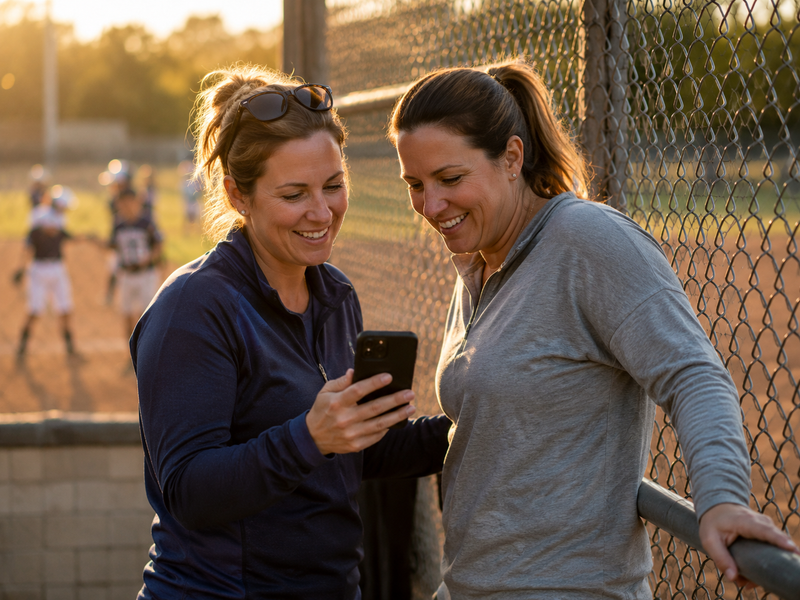
Most players do not need a long recovery lecture after every practice. They need a simple after-step that fits real baseball life. Bag down. Shower or wipe down. Shoulder and upper arm. Food, water, sleep. That is where LeStrova Magnesium Relief Cream fits. It is used after baseball for normal post-throwing soreness and tightness. It is cream, not spray, with Dead Sea magnesium chloride and 250mg magnesium chloride per teaspoon.
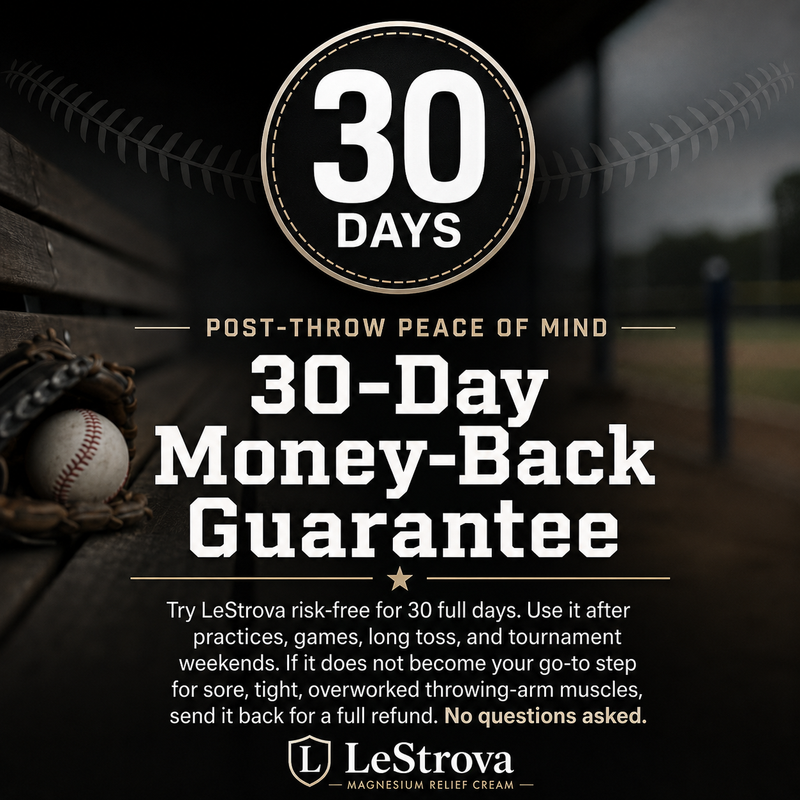
10. Outstanding Reviews and a 30-Day Money-Back Guarantee
LeStrova is not a pitching program, a mechanics fix, a pitch-count tracker, or a treatment for Little League Shoulder. It is the missing after-throwing step many families never clearly named. It has no harsh menthol burn, gives time to rub into the throwing shoulder and upper arm, and fits the window after the last throw. If pain is sharp, worsening, unusual, persistent, changing his throw, or keeps coming back, get him evaluated. For normal soreness and tightness after baseball, this is the wind-down step.

GET LeStrova NOW Buy 2 Get 1 Free
Support sore, tight, overworked throwing-arm muscles after baseball with topical magnesium comfort made for the post-throw reset.
GET LESTROVA NOW30-Day Money-Back Guarantee


Sarah K. & +10,839 CUSTOMERS