
10 Reasons Parents Are Adding This After-Throwing Cream Step Before Another $3,000 Baseball Season Ends With “I’m Fine” And The Same Shoulder Rub

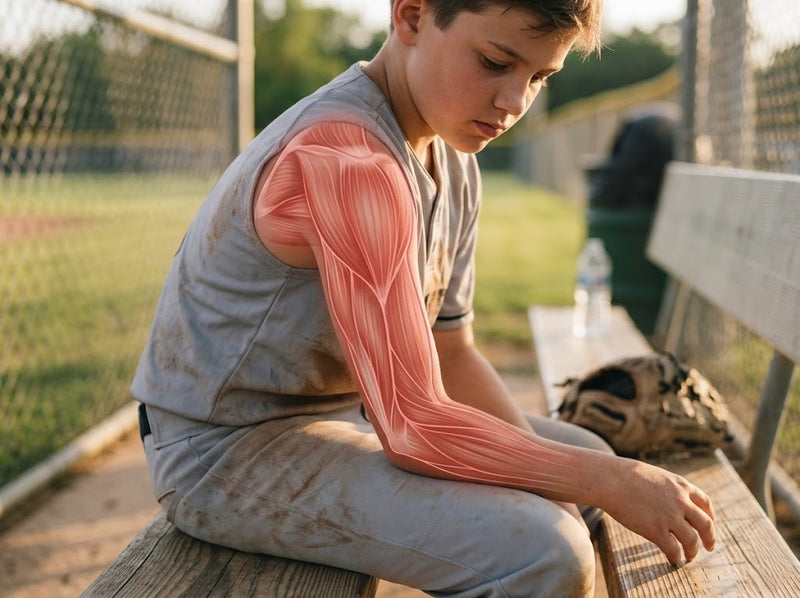
I know the shoulder rub because I used to do it. I would finish throwing, grab my bag, rub the same spot on my shoulder, and say “I’m fine” because I wanted to keep playing. Most baseball kids are not trying to scare their parents. They are trying to stay on the field. That is why the small signs matter. If your son keeps rubbing the same shoulder after throwing, the question is not whether he cares. The question is whether the routine has a real step after baseball is over.
1. “I’m Fine” Does Not Always Mean Nothing
Baseball kids learn quickly that saying too much can get them pulled, rested, or shut down. So a lot of them underplay soreness. They say “I’m fine” even when the shoulder feels tight, heavy, tired, or weird. That does not mean every shoulder rub is an injury. But it does mean parents should not ignore the pattern. If the same shoulder rub keeps showing up after throwing, it deserves a real after-step, not just another night of guessing.
2. The First Sign Is Usually Quiet
Parents often expect the warning sign to be dramatic. A kid crying. A kid refusing to throw. A kid saying his shoulder hurts. Sometimes it is that obvious, and that should be taken seriously. But a lot of the time, the first sign is smaller. He walks to the car, rubs the same spot, rolls his shoulder, and changes the subject. That quiet habit is easy to miss because baseball kids are good at acting normal.

3. Pitch Count Was Never My Whole Workload
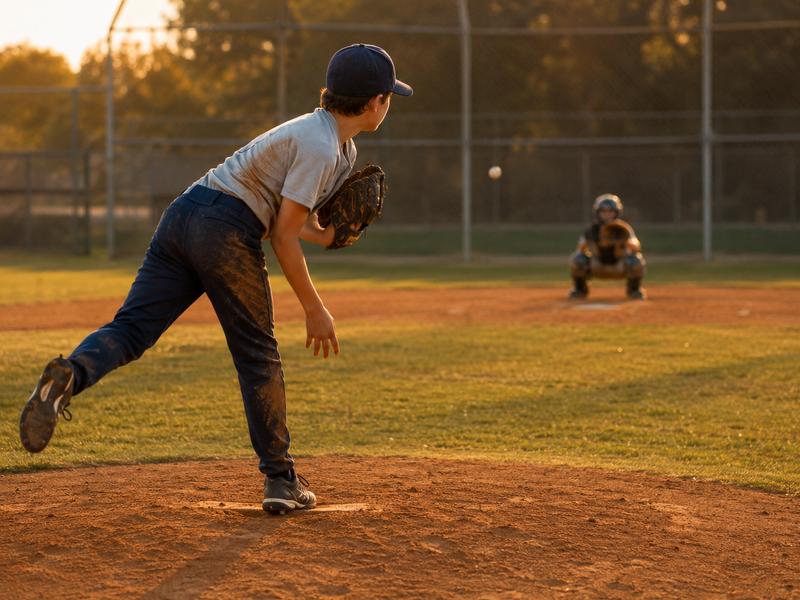
When I played, people cared about how many pitches I threw, but that was never the whole day. I threw warmups, long toss, flat grounds, fielding throws, lessons, bullpen tosses, and backyard throws. Most baseball kids are the same. A kid can barely pitch and still have a heavy throwing day. The scorebook counts pitches. The shoulder counts everything that left his hand.
4. The Arm Still Has To Stop
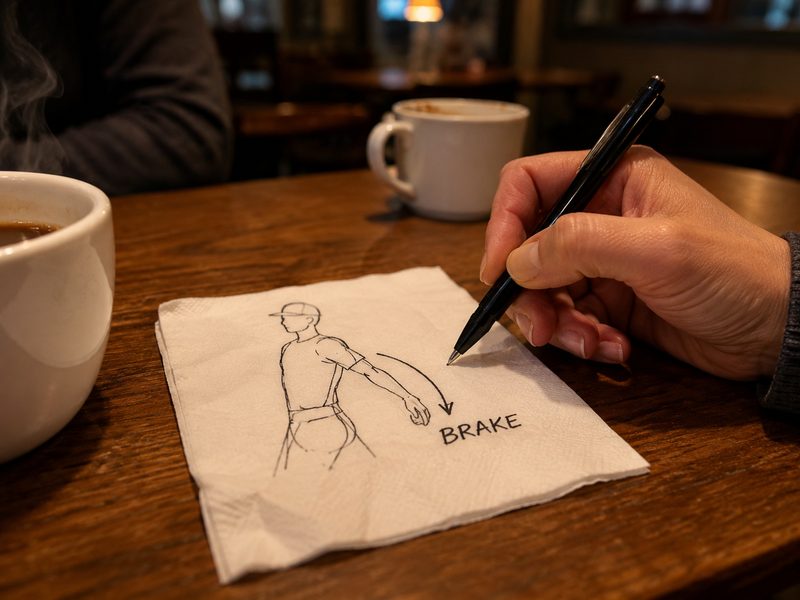
This is the part I wish someone had explained to me earlier. A throw does not end when the ball leaves the hand. After release, the shoulder and upper arm still have to slow the arm down. That is the brake phase, and players feel it after long toss, hard throws, and tournament weekends. Pitching has it. Shortstop throws have it. Catcher throws have it. Warmups have it. If there is no after-step, the routine ends before the arm is actually done.
5. Warmups Are Not The Same As Recovery
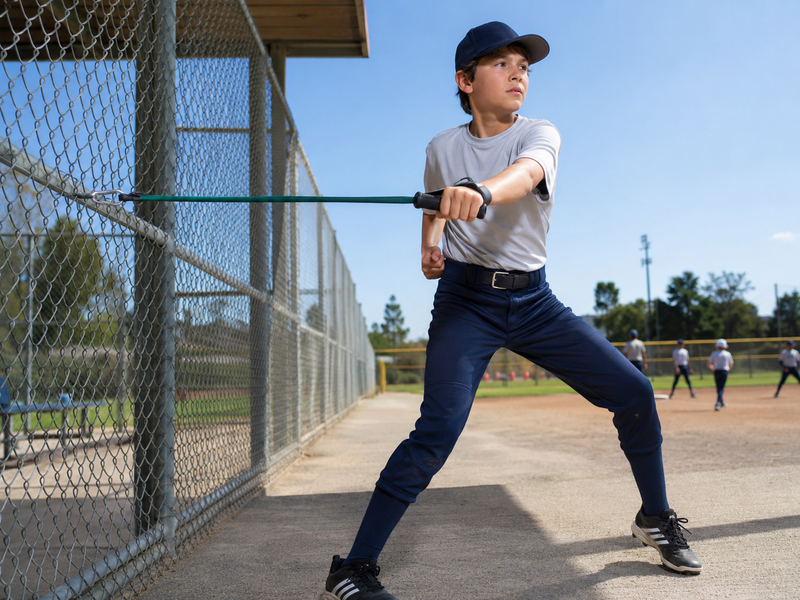
I like warmups. I use them with the kids I train. J-Bands, light catch, progressions, and mechanics work all have a place. But they live before throwing. They do not replace what happens after throwing. That is the mistake I see parents make. They think, “We did arm care,” when what really happened was, “We got him ready to throw.” Getting the arm ready is important. Helping it wind down is a different job.
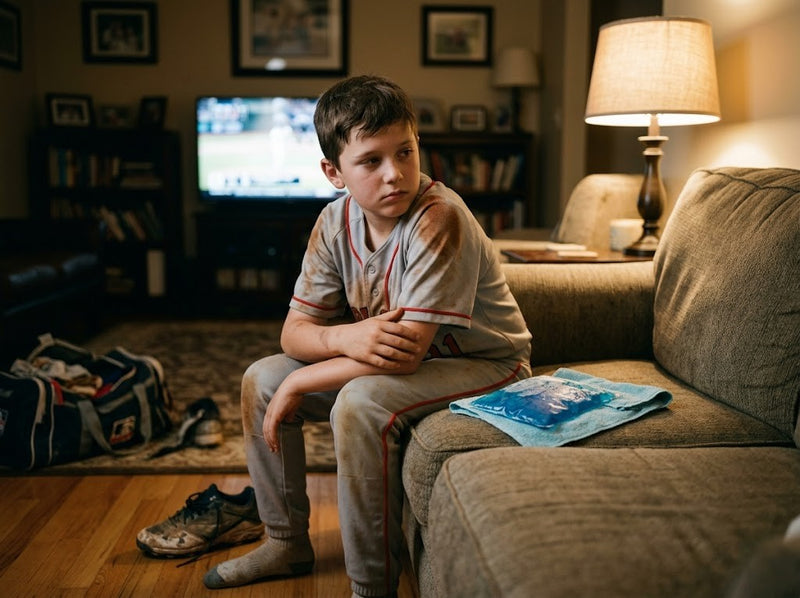
6. Ice Feels Like Punishment To A Lot Of Kids
Ice can have a place when a doctor, PT, or athletic trainer recommends it. But I can tell you how a lot of players feel about it after normal baseball nights: they hate it. They are dirty, hungry, tired, and already worried that soreness might get them pulled. Then the parent brings out a freezing wrap and starts a recovery lecture. That is when kids start hiding what they feel. A routine that feels like punishment is hard to repeat.
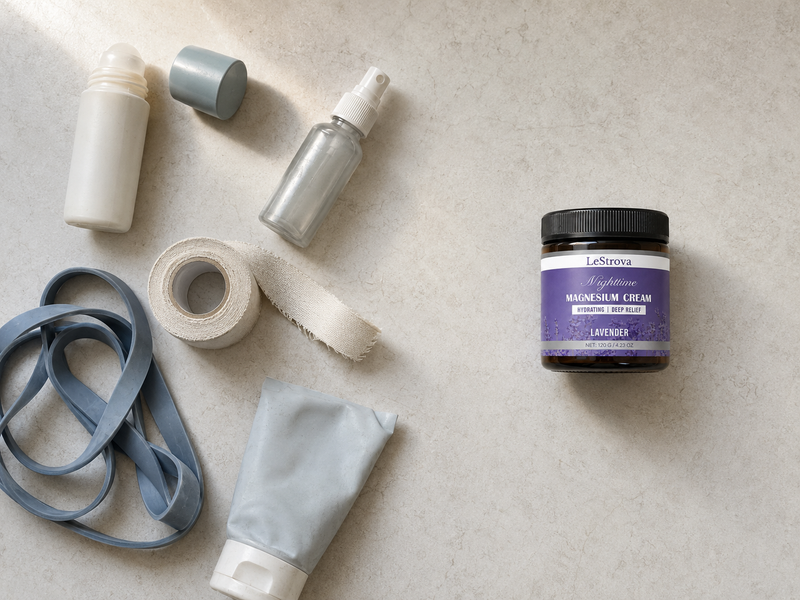
7. Strong Rubs Can Teach Kids To Ignore Signals
Biofreeze, Icy Hot, Tiger Balm, Deep Blue, and similar rubs can feel strong because they create cold, warm, tingling, or burning sensations on the skin. That feeling can make a player think the shoulder is handled. But most of those products are counter-irritants, meaning they create a surface sensation that can temporarily distract from soreness underneath. That does not make them useless. It just means a loud feeling is not the same as a smart after-step.
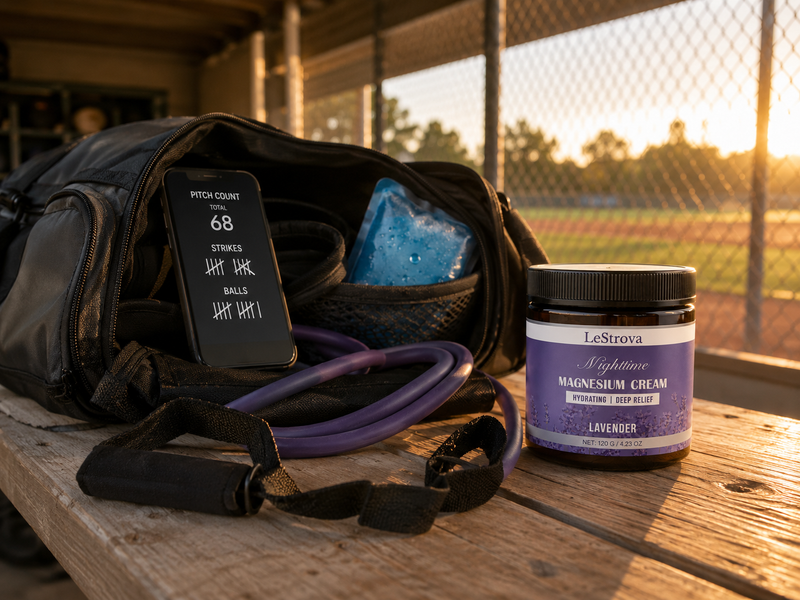
8. The Best Routine Is The One A Kid Will Do
Players do not need a complicated speech after every practice. They need a step that fits the moment. Bag down. Shower or wipe down. Shoulder and upper arm. Food, water, sleep. If the routine takes too long, burns too much, freezes too much, or makes the kid feel like he is in trouble, he will resist it. That is why the best after-step is not the most dramatic one. It is the one he will actually repeat.
9. This Is Where LeStrova Fits
LeStrova Magnesium Relief Cream fits the ordinary after-throwing window. It is not a pitching program, a mechanics fix, a pitch-count app, an ice wrap, or a harsh menthol rub. It is used after baseball on the throwing shoulder and upper arm for normal post-throwing soreness and tightness. It uses Dead Sea magnesium chloride, with 250mg magnesium chloride per teaspoon. It is cream, not spray, so there is time to rub it in instead of watching it disappear too fast.
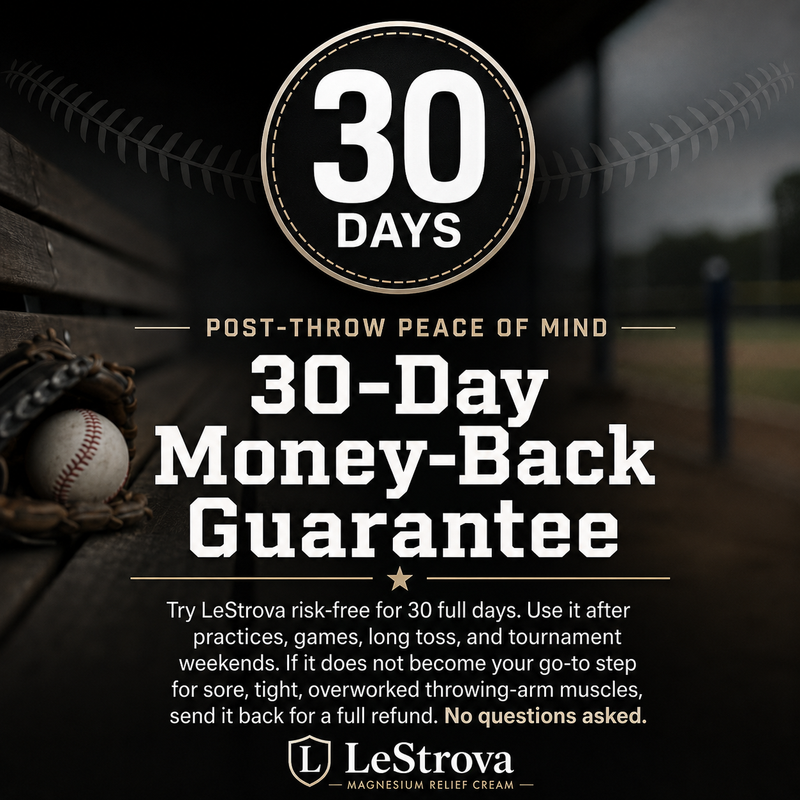
10. Outstanding Reviews And A 30 Day Money Back Guarantee
LeStrova is not a treatment for Little League Shoulder and it is not a pain test. It does not replace doctors, PT, rest, pitch counts, mechanics work, or a parent stopping a kid when something looks wrong. If pain is sharp, worsening, unusual, persistent, changing his throw, or keeps coming back, get him evaluated. For normal soreness and tightness after baseball, LeStrova gives kids a simple wind-down step that does not feel like punishment.

GET LeStrova NOW Buy 2 Get 1 Free
Support sore, tight, overworked throwing-arm muscles after baseball with topical magnesium comfort made for the post-throw reset.
GET LESTROVA NOW30-Day Money-Back Guarantee


Sarah K. & +10,839 CUSTOMERS